
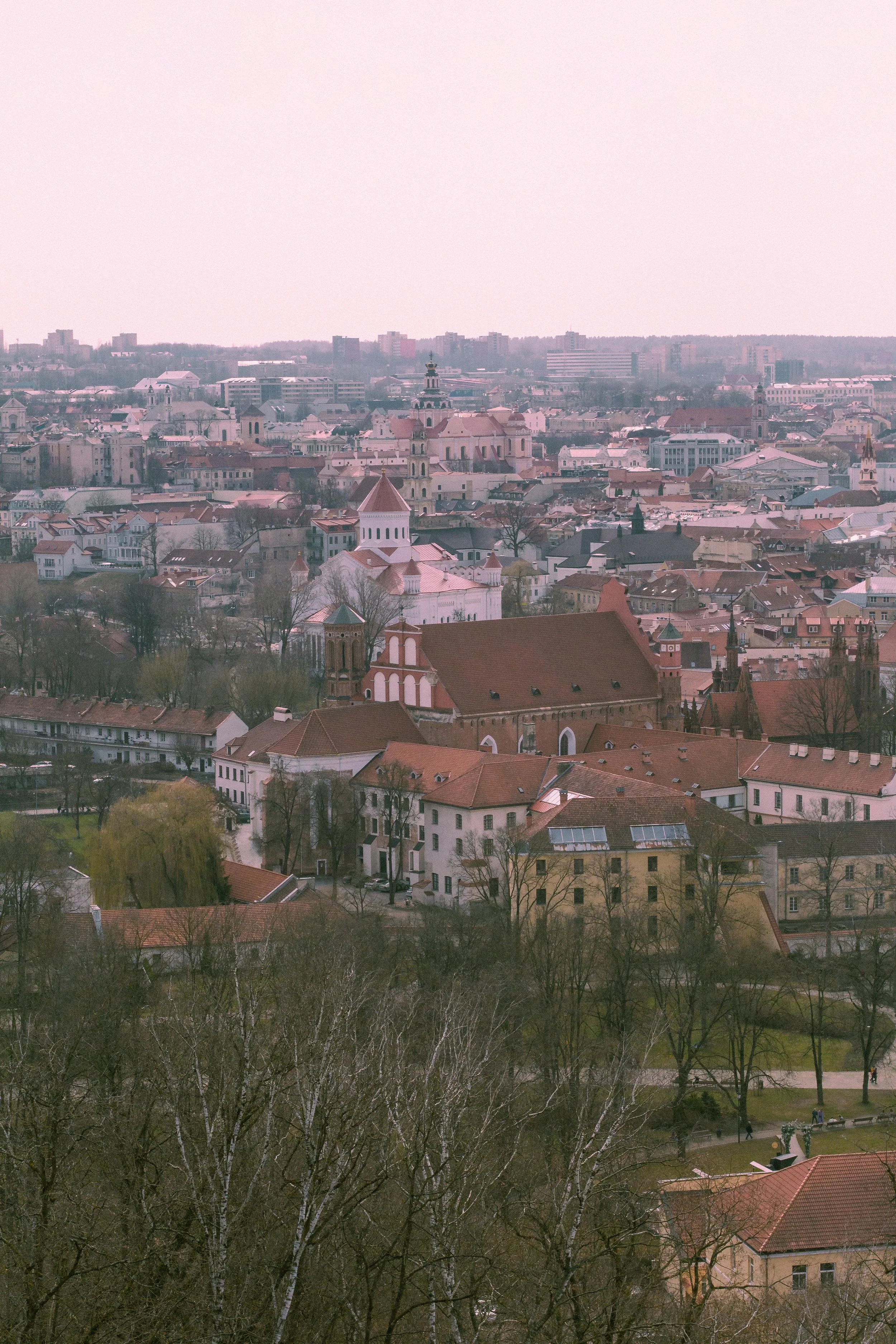
Why Lithuania?
Lithuania is a sweet spot for AITAS: a deep bench of educated talent, a booming electronics cluster scaling from tens of millions of devices a year, and investor-friendly Free Economic Zones that waive corporate tax for a decade—ideal conditions for batteries, motors, and boards to take root. Power reliability and a growing semiconductor manufacturing industry is a plus too—the country runs a 200 MW national grid battery that helps keep industrial power stable.
Regionally, a new rare-earth magnet plant just over the border in Estonia signals a Baltic materials hub we can plug into, while the EU’s Critical Raw Materials Act actively rewards in-EU processing and diversified, allied supply—exactly what we plan to build.
Most importantly, demand is rising right next door: Lithuania is lifting defence spending above 3% of GDP and planning further increases, Poland is pushing toward ~5%, and Lithuania is launching nationwide UAS training—meaning our first customers are on the doorstep.
For Lithuanians, this isn’t abstract—building a modern defence industry means skilled jobs, stronger local supply chains, and more security investment staying at home; for AITAS, it means a smoother path from pilot to production.
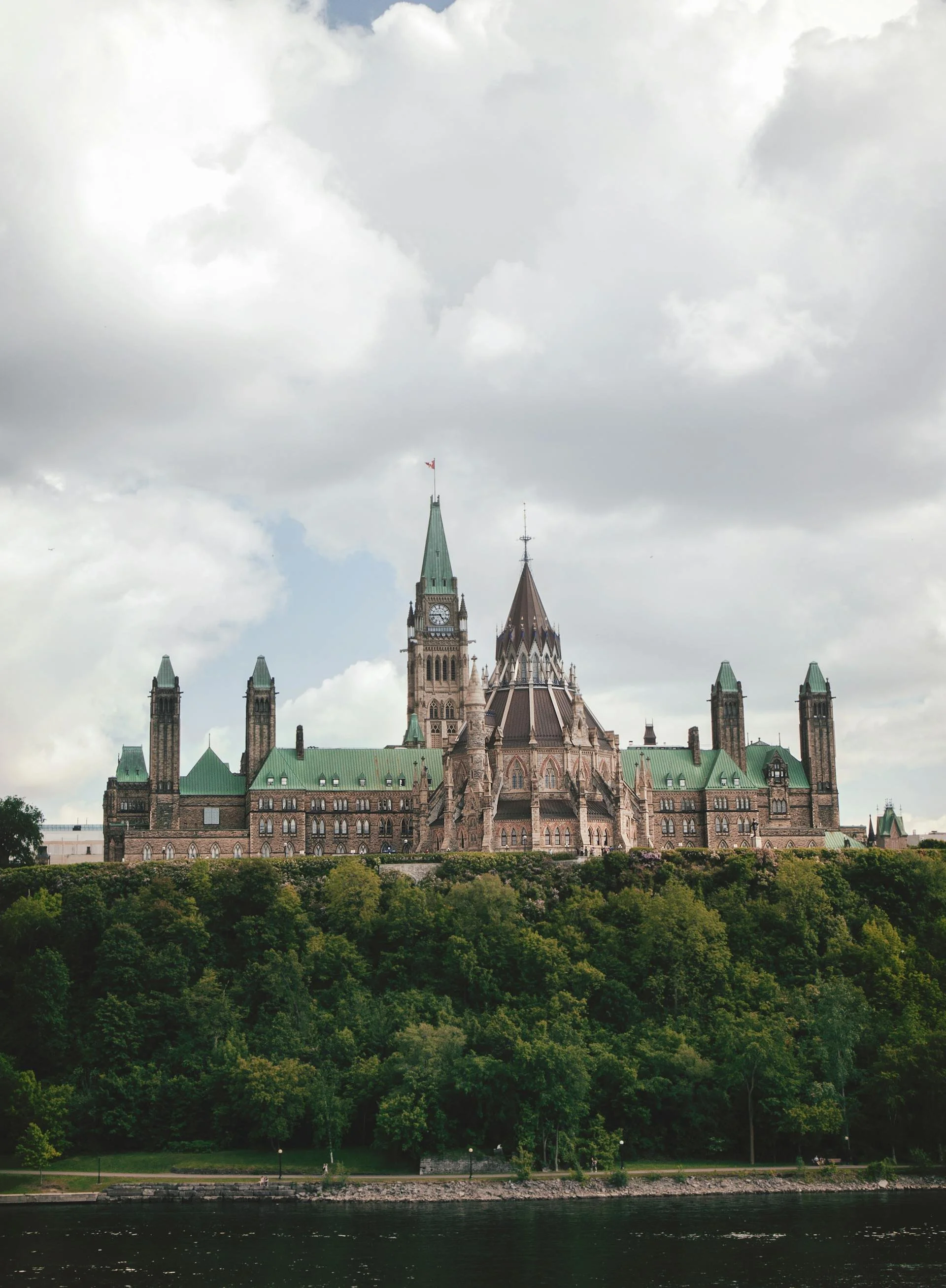
Why Canada?
Canada is our allied rare earth backbone: geologically rich with one of the world’s largest rare-earth endowments, inside a predictable, rule-of-law mining system.
Policy tailwinds are strong: a national Critical Minerals Strategy covering 31 minerals and backed by nearly C$4 billion, a 30% exploration tax credit, and a C$1.5 billion infrastructure fund help move projects from exploration to refining and recycling while improving regulatory efficiency.
The transatlantic bridge is already built: CETA removes tariffs on metals/minerals; the EU–Canada Strategic Partnership on Raw Materials integrates value chains
The EU’s Critical Raw Materials Act rewards in-EU processing and diversification; and the new EU–Canada Security & Defence Partnership deepens defence-supply channels—so Canadian critical minerals flows efficiently into EU processing and straight into our Baltic manufacturing.